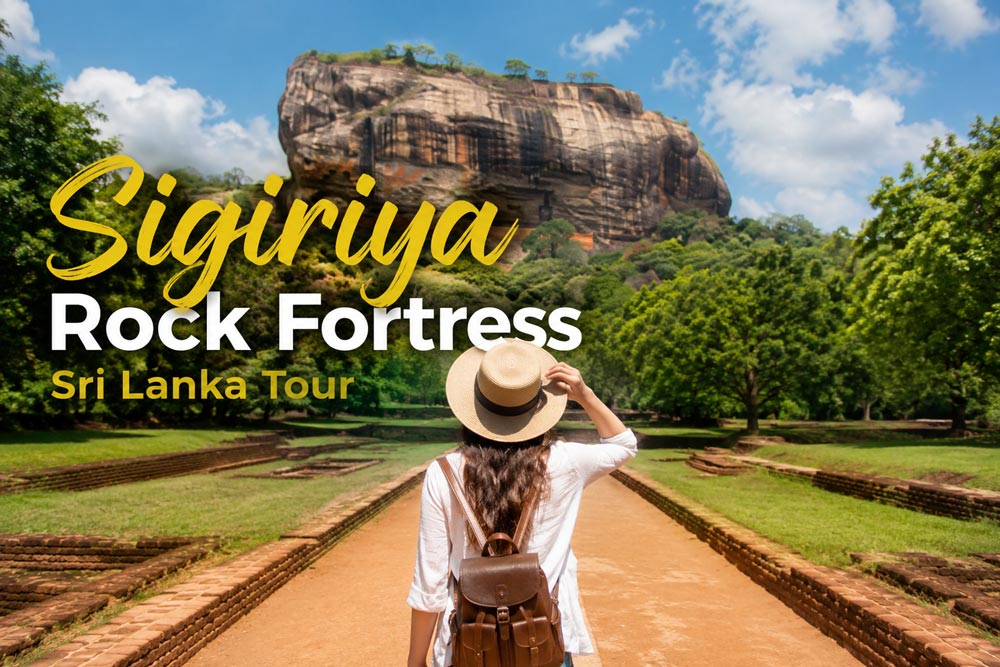
Sigiriya Rock Fortress Sri Lanka Tour: 7 Things to Know First
Sigiriya Rock Fortress Sri Lanka Tour: 7 Things to Know Before You Climb
Some places live up to the postcard. Sigiriya somehow beats it. A 200 metre column of granite erupting from flat jungle, crowned with the ruins of a fifth century royal palace, wrapped in frescoes and legend. If a Sigiriya rock fortress Sri Lanka tour is on your list for the coming year, and it should be, this guide covers the seven things that separate a sweaty, crowded slog from one of the great travel mornings of your life.
You know what surprises most visitors? It isn’t the climb itself. It’s how much story is packed into every landing, stairway and garden along the way. Let’s get you ready for it.
1. The Backstory Makes the Climb Twice as Good
Quick history, no exam at the end. In 477 AD, King Kashyapa seized the throne from his father and, fearing revenge from his exiled brother, moved his capital from Anuradhapura to the top of this rock. In under two decades his engineers built water gardens, a mirror polished wall, a palace in the clouds and a gateway shaped like a colossal lion. Only the lion’s paws survive today, each one taller than a person, but they’re enough to make your imagination fill in the rest. The brother did eventually return with an army; Kashyapa lost, and the fortress passed to monks who kept it as a monastery for centuries.
Walk in knowing that, and every terrace changes from old bricks into stage scenery for a family drama worthy of a streaming series. This is also why a knowledgeable guide earns their fee here. The rock talks, but only if someone translates.
2. Climbing Sigiriya Rock: What 1,200 Steps Actually Feel Like
Here’s the thing about the numbers. Roughly 1,200 steps sounds brutal, yet the route breaks naturally into stages: the water gardens at ground level, the boulder gardens, the fresco gallery reached by a spiral staircase, the Lion Gate landing where everyone catches their breath, and the final caged stairway to the summit. Most reasonably fit visitors reach the top in 45 to 90 minutes, and the platforms between stages mean you’re never grinding uphill for long.
The summit itself sprawls across 1.6 hectares of foundations, bathing ponds and, of course, that view. Green canopy to the horizon, Pidurangala rock to the north, and hawks riding thermals below your feet. Below the summit, spare ten minutes for the Mirror Wall, where visitors between the sixth and fourteenth centuries scratched poems about the frescoes. Ancient graffiti, literally. Some of it is love poetry; some of it is complaints. Humans never change.
3. Sigiriya Entrance Fee 2026 and Opening Hours
Foreign adult tickets have hovered around 35 US dollars, with children roughly half that, and the site opens from about 6.30 am with last entry in the late afternoon. Prices and hours do get revised, so treat those figures as a planning baseline and confirm before travel. Travel planning platforms highlight that Sigiriya consistently ranks among the most booked cultural experiences in South Asia, and marketplaces such as Viator list combined tickets, guides and day trips if you prefer everything arranged in one booking. The fee stings a little, no argument, but it funds conservation of a UNESCO World Heritage Site that archaeologists still consider one of Asia’s finest surviving examples of ancient urban planning.
4. Best Time to Climb Sigiriya (Hint: Set an Alarm)
Go at opening time. It’s cooler, the light is soft for photos, and you’ll beat both the tour bus wave that arrives mid morning and the heat that turns the caged stairway into a slow queue by 10 am. Late afternoon, from about 3.30 pm, is the decent plan B, with golden light on the summit. The dry months from January to April and July to September give the most dependable weather in the cultural triangle, though this region stays drier than the coasts year round.
A quick digression that matters: monkeys. Toque macaques patrol the boulder gardens like tiny customs officers. Keep snacks zipped away and sunglasses on your face, not your head. You’ve been warned, and yes, we say that from experience.
5. Pidurangala Rock: The View of the View
Here’s a mild contradiction for you. The best view on a Sigiriya trip isn’t from Sigiriya. It’s from Pidurangala, the neighbouring rock a five minute drive away, because that’s the only place you can see the fortress itself rising out of the jungle. The climb is shorter but rougher, with a final boulder scramble, and the entrance donation is a few dollars for the temple that maintains it. Serious photographers do Pidurangala for sunrise, then Sigiriya straight after. Doing both in one morning is completely realistic if you start at 5 am, and the reward is two entirely different masterpieces before breakfast.
6. Build It into the Cultural Triangle Properly
Sigiriya sits in the heart of Sri Lanka’s cultural triangle, which means your tour can snowball wonderfully. The Sigiriya destination guide on our site shows how travellers typically pair the rock with the Dambulla cave temples, just 30 minutes away, and the ancient city of Polonnaruwa, about an hour east, where stone Buddhas and royal ruins spread across a cyclable archaeological park. Add a village lunch by the Habarana lake or an afternoon elephant safari in Minneriya between August and October, when hundreds of elephants gather for The Gathering, and you’ve built a two day loop that rivals anything in Asia.
One of our guests from Milan summed it up better than we could: “I used SLTO services for a three day cultural triangle circuit, and climbing Sigiriya at dawn before the crowds, then swimming in the hotel pool by noon, felt like cheating. Our guide’s stories about King Kashyapa had our teenagers actually listening.” That’s the difference planning makes.
The Frescoes Deserve a Slow Five Minutes
Halfway up, a spiral staircase climbs to a sheltered pocket in the rock face where the famous cloud maidens have survived fifteen centuries of sun, wind and war. Originally there may have been hundreds of these painted figures stretching across the western face; around twenty remain, and their colours are still startling, ochre and emerald and gold against grey stone. Nobody agrees on who they are. Celestial nymphs, the king’s consorts, portraits of court ladies bearing offerings; scholars have argued for a century and settled nothing. Photography rules change from time to time to protect the pigments, so follow the signage on the day and, whatever you do, don’t rush this gallery. It’s the soul of the site.
Getting to Sigiriya: Distances and Day Trip Reality
Sigiriya village sits about 170 kilometres from Colombo, four to five hours by road, and roughly 90 kilometres from Kandy, closer to three hours. That makes a Colombo day trip technically possible but genuinely punishing; you’d spend nine hours in a vehicle for three hours on site. From Kandy it’s a long yet reasonable day. The far better plan is a night or two in Sigiriya, Habarana or Dambulla, which puts you ten minutes from the ticket gate at dawn and opens up the whole triangle at a humane pace. Guesthouses in the village start from a couple of tens of dollars, and several jungle lodges frame the rock itself from their pools, which is the sort of breakfast view you don’t forget in a hurry.
What to Pack, Wear and Expect on the Day
- Footwear with grip. The steel stairways are sturdy, but ancient stone steps are uneven and shiny with use.
- A litre of water per person. There are no shops past the ticket gate.
- Modest, light clothing. Shoulders covered is respectful at the fresco gallery and essential if you add Dambulla’s temples.
- Cash for the ticket counter and local guides; cards work at some counters, but not dependably.
- A head for heights helps on the caged stairway. It’s completely secure, though the drop is theatrical. Take it slow and don’t look down until the top, where you absolutely should.
| Stage | Time Needed | Highlight |
| Water and boulder gardens | 30 to 40 minutes | Ancient hydraulics still working in rain |
| Fresco gallery and Mirror Wall | 20 minutes | The famous cloud maidens |
| Lion Gate to summit | 20 to 30 minutes | Giant paws and the final stairway |
| Summit plateau | 30 to 45 minutes | Palace ruins and jungle panorama |
| Pidurangala add on | 90 minutes | The classic photo of Sigiriya itself |
Infographic idea: a vertical cutaway of the rock showing the climb stages with step counts, average times and temperature by hour of day, encouraging the sunrise start.
Frequently Asked Questions
How hard is a Sigiriya rock fortress Sri Lanka tour for older travellers?
Manageable with patience. The stages break the climb into short efforts, handrails run the whole way, and plenty of visitors in their seventies summit happily. Start early, rest at each landing, and skip the summit if the final stairway feels like too much; the Lion Gate terrace is a worthy finish in itself.
How long does the whole visit take?
Two to three hours covers the gardens, frescoes and summit at a relaxed pace. Add another 90 minutes if you include Pidurangala.
Can I climb Sigiriya without a guide?
Yes, the route is obvious and well managed. But the site’s stories, engineering and symbolism are easy to miss on your own, so a licensed guide or a well built tour genuinely deepens the visit.
Is Sigiriya suitable for kids?
Very much so, roughly from age six up. Children usually love the lion paws and the summit. Keep them close on the upper stairways and brief them about the monkeys.
What should I combine with Sigiriya in one day?
The classic pairing is Dambulla cave temples the same afternoon, or Pidurangala at sunrise beforehand. With two days, add Polonnaruwa and a Minneriya safari for the full cultural triangle experience.
Final Thought
Few places on earth combine audacity, artistry and altitude like this one. Plan the early start, learn a little of Kashyapa’s story, and your Sigiriya rock fortress Sri Lanka tour becomes the anchor memory of the whole island, the one you’ll still be describing at dinner parties years from now.
