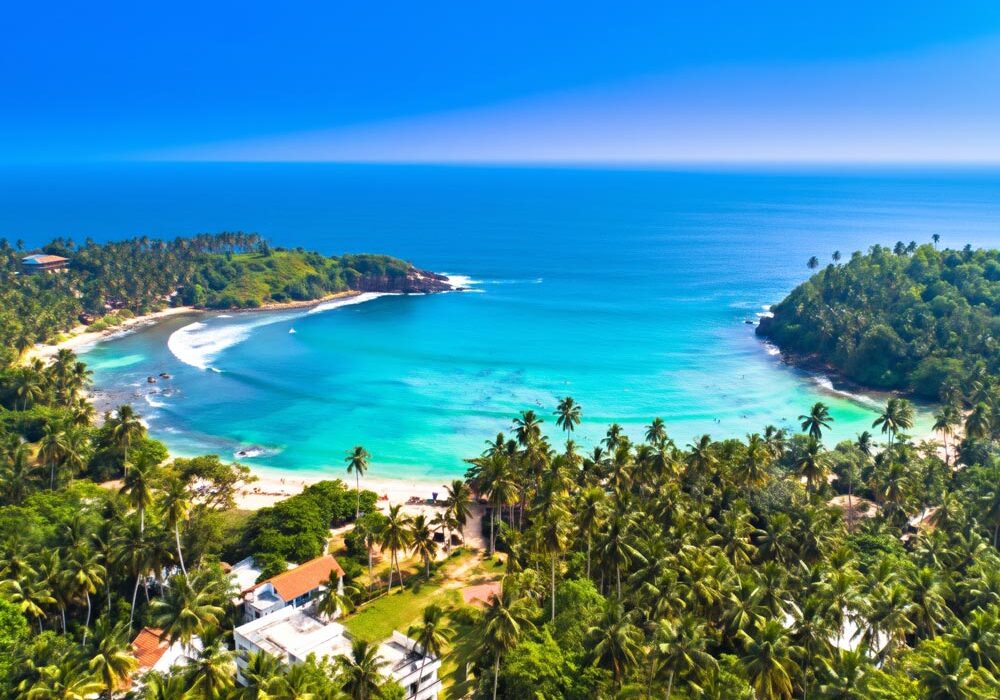
Sri Lanka Packing List 2026: What to Bring
Sri Lanka Packing List 2026: What to Actually Bring (and Skip)
Sri Lanka packing list 2026 planning tends to go one of two ways. Either you pack for six different climates because the island supposedly has everything, jungle, beach, mountains, cities, or you underpack and spend day three of your trip hunting down a proper adapter in a Colombo pharmacy. Neither approach really works. The truth sits somewhere in the middle, and it depends far less on gadgets than most packing guides suggest.
Here is the short version before we get into specifics. Pack light, breathable clothing for the heat, one modest outfit for temples, a proper adapter, decent bug spray, and something warm for the hill country nights that genuinely surprise people. Skip the heavy hiking boots, the fourth swimsuit, and honestly, most of the “just in case” items that never leave the suitcase. Let us go through the full list properly, and just as importantly, what you can leave at home.
Clothing That Actually Earns Its Spot
Sri Lanka sits close to the equator, so heat and humidity dominate most of the island most of the year. That means lightweight, breathable fabrics, cotton and linen over synthetics, do the heavy lifting for your trip.
Pack enough loose fitting shirts and light trousers or dresses to rotate for a week without constant laundry runs. Sturdy sandals handle the beach and casual walking, while one pair of proper closed shoes earns its place for hiking trails, Sigiriya’s steps, or wildlife safaris where ankles need a bit more protection.
Do not skip a light jacket or fleece, even on a beach focused trip. Nuwara Eliya and the surrounding hill country sit at altitude, and evenings there can genuinely drop cool enough to notice, catching plenty of beach ready travellers off guard. If hill country is on your route, the Nuwara Eliya destination guide gives a good sense of just how different that climate feels compared to the coast.
What to Wear at Temples, and Where People Get This Wrong
One subheading in this whole packing list deserves its own space, because getting it wrong genuinely ruins a visit. Temple visits require shoulders and knees covered, for everyone, regardless of gender, and shoes come off entirely before entering most sacred sites.
A light scarf or sarong solves this problem elegantly, doubling as a beach cover up on days without a temple stop and a modest layer on days that include one. Skip anything sleeveless or above the knee if a cultural site is on the day’s agenda, and bring socks for sites with sun baked stone floors that get uncomfortably hot by midday.
Health and Practical Essentials on Every Sri Lanka Packing List
Insect repellent belongs near the top of any packing list for this island, ideally one containing DEET, since mosquitoes are active from dusk onward across most of the island. Pair that with a basic first aid kit, blister treatment, rehydration salts, and any personal medication in its original packaging, along with a printed prescription if needed.
Sunscreen deserves more than a passing mention too. SPF 30 or higher, reapplied more often than feels necessary, prevents the kind of sunburn that can genuinely derail a week long trip. A reef friendly formula is worth seeking out if snorkelling or diving is part of your plans, since it is kinder to the coral you are there to see in the first place.
Bottled or filtered water matters more than people expect. Tap water is not recommended for drinking, so a refillable bottle with a built in filter saves money and cuts down on plastic waste considerably over a two week trip.
Electronics: Sort Your Adapter Before You Go
Sri Lanka uses Type D, Type M and Type G plug sockets, running at 230 volts, which surprises travellers from countries on different standards. A universal travel adapter covering all three types solves this instantly, and it is genuinely easier to buy before you leave than to hunt one down once you land.
A power bank earns its weight for long travel days between destinations, particularly on wildlife safaris or hill country drives where charging points are not always close at hand. Beyond that, keep electronics minimal, a phone, a camera if photography matters to you, and maybe a small torch for evening walks in areas with limited street lighting.
Monsoon and Rain Gear, Because It Will Rain Somewhere
Sri Lanka runs on two separate monsoon systems depending on which coast you are visiting, which means it is almost always raining somewhere on the island, even during someone else’s dry season. A compact umbrella and a lightweight, packable rain jacket cover you far better than a bulky raincoat that eats half your suitcase.
A dry bag or simply a large ziplock style pouch protects phones and cameras during sudden downpours or boat trips, the kind that arrive fast and clear just as quickly. Quick drying fabrics genuinely make a difference here too, since heavy cotton that soaks through stays damp for hours in the island’s humidity.
What You Can Confidently Leave at Home
Just as important as what to bring is what to skip, since overpacking creates its own kind of travel stress. Heavy hiking boots rarely earn their bulk unless a serious multi day trek is specifically planned, sturdy sandals or light trail shoes cover almost everything else, Sigiriya included.
Formal wear stays home too. Even upscale restaurants in Colombo lean smart casual rather than formal, so a collared shirt and decent trousers cover any situation that calls for slightly dressier clothing. And skip packing a full stack of towels, sunscreen, and toiletries in bulk, since hotels provide the basics and pharmacies across the island stock anything you run out of.
I used SLTO planning services like this for my own family trip, and the biggest packing lesson learned the hard way was simple, we packed for four climates and used maybe half of it. Our travellers are really happy with our pre trip planning guides, and one traveller told us afterward, I wish someone had told me the hill country gets cold, I would have packed one warm layer instead of three extra swimsuits I never touched.
A Quick Word on Luggage Itself
Soft sided duffel bags or a good backpack generally beat hard shell suitcases here, particularly if your route includes tuk tuks, uneven guesthouse stairs, or the kind of rural roads that are not exactly wheel friendly. According to official Sri Lanka tourism sources, domestic transport across the island increasingly favours flexible, lighter luggage for exactly this reason, especially on multi stop itineraries that move through several regions in a single trip.
If wildlife safaris feature in your plans, neutral colours help too, since bright clothing and luggage can be more noticeable to animals during early morning game drives. The wildlife tour options page is worth a look if safaris are part of your route, since packing needs shift slightly for early starts and dusty tracks.
Packing Differently for Honeymoons and Family Trips
A packing list shifts depending on who you are travelling with, and it is worth thinking through before you start folding anything. Couples on a honeymoon often want one or two slightly nicer outfits for a private dinner or a spa evening, alongside the usual practical basics, since several beach resorts do lean a touch more polished in the evenings than a typical guesthouse.
Families travelling with children face a slightly different list altogether. Extra sun protection, a wider hat, and snacks for long travel days between regions matter more than a second nice outfit. Motion sickness tablets are worth packing too, since winding hill country roads catch plenty of younger travellers off guard on the way up to Nuwara Eliya or Ella. Children’s insect repellent formulated for sensitive skin is also worth sourcing before you travel rather than hoping to find the right version locally.
Solo travellers and small groups tend to land somewhere in between these two extremes, generally packing lighter overall but adding a portable door lock or a small combination cable for securing a bag on long train journeys, the kind of thing that sounds overly cautious until the one time it genuinely earns its place.
Building Your Own List
Every trip is slightly different, so treat this as a foundation rather than a rigid checklist. A beach focused two week trip needs less than a route covering hill country, wildlife parks and ancient cities in the same fortnight. Confirming your entry requirements before you fly is worth doing too, and the Sri Lankan Airlines website lists current baggage allowances, worth checking early since that number quietly shapes how much you can actually pack in the first place.
Pack for the trip you are actually taking, not every possible version of Sri Lanka at once, and you will land with a bag that is easy to carry and genuinely useful for two straight weeks.
Frequently Asked Questions
What is the most important thing on a Sri Lanka packing list? Lightweight, breathable clothing paired with one modest outfit for temple visits covers the bulk of most trips, alongside insect repellent and a proper plug adapter for the local socket types.
What plug adapter do I need for Sri Lanka? Sri Lanka uses Type D, Type M and Type G sockets at 230 volts, so a universal adapter covering all three types is the safest option to bring from home.
Do I need warm clothes for Sri Lanka? Yes, if hill country towns like Nuwara Eliya are on your route. Evenings there can turn genuinely cool, so packing one light jacket or fleece is worth the small amount of suitcase space.
What should I wear to visit temples in Sri Lanka? Shoulders and knees covered, with shoes removed before entering. A light scarf or sarong works well as a flexible cover up that doubles for beach days too.
Is tap water safe to drink in Sri Lanka? No, bottled or filtered water is recommended throughout the island, which is why a refillable bottle with a built in filter is worth including on your packing list.
