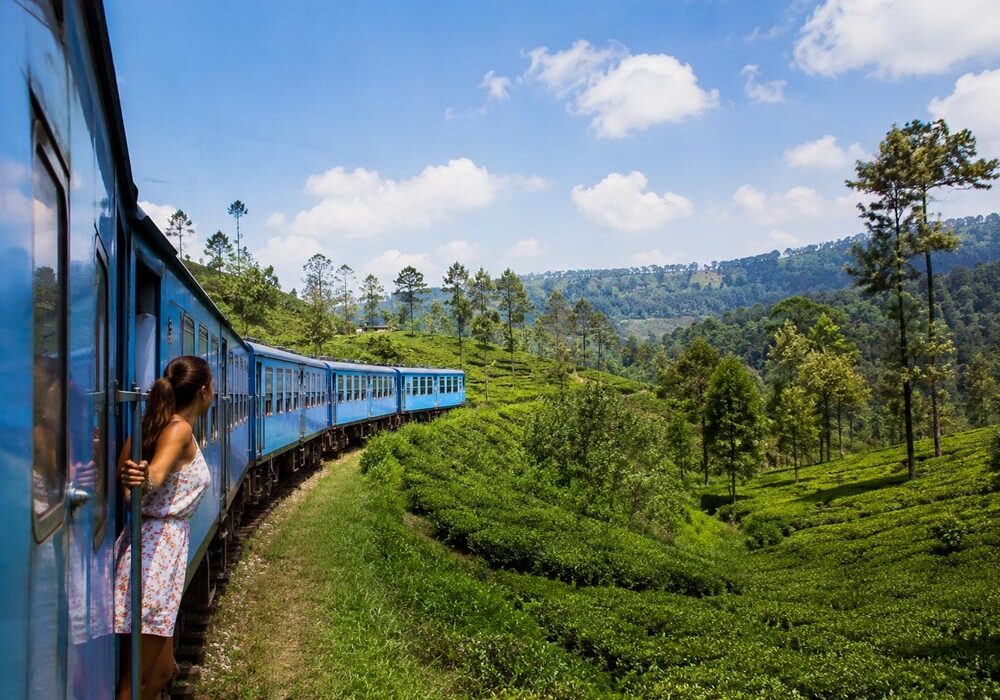
Best time to visit Sri Lanka to escape NZ winter
Best Time to Visit Sri Lanka to Escape NZ Winter: A Month-by-Month Guide
July in Auckland. The heater is running, the sky is doing that particular shade of grey that only NZ winters manage, and somewhere between your third cup of tea and scrolling past yet another Instagram reel of a beach somewhere warm, you start thinking: maybe this is the year. And honestly? The best time to visit Sri Lanka to escape the NZ winter is almost perfectly timed for exactly that feeling. Let me walk you through why, month by month.
Why Sri Lanka and New Zealand Seasons Work So Well Together
Here is the thing about Sri Lanka’s weather that most generic travel guides gloss over: it does not have one climate. It has several, running simultaneously, because of the way the two annual monsoons split the island into wet and dry zones at different times of year. What this means in practice is genuinely useful for New Zealanders: when you most want to leave home (June through August, the coldest months), a large part of Sri Lanka is in its dry season.
The southwest monsoon, which brings heavy rain to the west and south coasts, typically runs from May through September. But here is the twist: during those same months, the east coast and the Hill Country are dry and sunny. Sri Lanka essentially has a year-round dry zone somewhere on the island. No matter when your annual leave falls, there is a version of the island that is ready for you.
Month-by-Month Breakdown: NZ Season vs Sri Lanka Conditions
| Month | NZ Season | NZ Temp | Best Sri Lanka Region | Crowd Level |
| Jan | Summer | 20-25C | East Coast, Cultural Triangle | High (peak season) |
| Feb | Summer | 19-24C | All regions accessible | High |
| Mar | Early Autumn | 17-22C | South & West Coast | Medium |
| Apr | Autumn | 14-19C | Hill Country, Kandy | Medium (inter-monsoon) |
| May | Late Autumn | 11-16C | East Coast opens | Low (shoulder) |
| Jun | Winter | 9-14C | West/South Coast, Hill Country | Medium |
| Jul | Winter | 8-13C | West/South, Wildlife safaris | Medium-High |
| Aug | Winter | 8-13C | West/South, Kandy Perahera | High (festival month) |
| Sep | Early Spring | 10-15C | East Coast, surf season | Low (great value) |
| Oct | Spring | 12-17C | Hill Country, avoid coasts | Low (inter-monsoon) |
| Nov | Late Spring | 14-19C | East Coast, whale watching starts | Medium |
| Dec | Early Summer | 17-22C | East Coast, South | High (peak season) |
Note: rows highlighted in blue indicate months that align with the NZ winter. These are generally the ideal travel window for Kiwis wanting warm weather.
The NZ Winter Window: June, July, and August
This is the golden window for most New Zealanders. Back home, temperatures in many parts of the country drop to single digits overnight and the days are short. Sri Lanka during these months, particularly the west and south coasts and the Hill Country, offers the opposite: long, warm, sunny days with relatively low humidity and clear skies.
The southern coastal stretch from Bentota down to Galle is at its very best during June, July, and August. Seas are calm enough for swimming on most days, the famous Galle Fort is at its atmospheric peak in the cooler dry-season air, and wildlife sightings at Yala are excellent because animals concentrate around water sources during the dry period.
August deserves a special mention because it also hosts the Kandy Esala Perahera, one of the most spectacular cultural festivals in Asia. This multi-day event features elaborately costumed elephants, fire-dancers, drummers, and a procession of extraordinary scale winding through Kandy’s streets after dark. If you time your trip to catch it, you will be talking about it for years.
What About Escaping the NZ Summer Heat? December and January
Some Kiwis actually want to leave during summer, whether to take advantage of the Christmas school break or just because they fancy a change. December and January are Sri Lanka’s peak tourist season on the west and south coasts, meaning prices are higher and accommodation books out quickly. However, the east coast is an excellent alternative during this window.
Places like Arugam Bay on the east coast are dry and calm from about October through April. Arugam Bay in particular has developed a strong following among surfers and those who prefer a more laid-back, less commercialised beach atmosphere. If you visit in December or January, the east coast gives you reliable sunshine without the crowds and price premiums of the more popular southern resort towns.
The Shoulder Seasons: March, April, and September
These months tend to be underestimated by first-time visitors, and that is genuinely their advantage. March and early April, before the southwest monsoon arrives, are warm and mostly dry across the island. Flight and accommodation prices are noticeably lower than the December-to-February peak, and the main tourist sites are less crowded. If you are flexible with timing and want better value, March is worth serious consideration.
September is similar. The southwest monsoon is winding down, the east coast is still relatively dry, and the upcoming peak season has not yet driven prices up. Travel planning platforms note that September and October often offer the best combination of value and accessibility across multiple regions simultaneously.
The Months to Approach Carefully: May and October
May and October are the two inter-monsoon transition months, and they come with some unpredictability. Rain can arrive in heavy bursts, and while you can still have a great trip during these months, it requires a bit more flexibility in your itinerary. Roads in some areas can become difficult after sustained rain, particularly in the Hill Country.
That said, these months are not off-limits by any means. The Hill Country, Sigiriya, and Kandy are still very much worth visiting even with occasional rain. And if you hit a rainy afternoon, Sri Lanka has enough excellent cafes, cooking classes, ayurvedic spas, and temple experiences to fill it productively.
Festivals and Events Worth Planning Around
Sri Lanka has a rich calendar of cultural events that can genuinely elevate a trip if you plan around them. A few highlights:
- Kandy Esala Perahera (July/August): The grand Buddhist festival mentioned above. Book accommodation in Kandy months in advance if you want to attend.
- Thai Pongal (January): A Tamil harvest festival celebrated warmly in the north and east, with colour and ceremony worth experiencing.
- Vesak (May full moon): The celebration of the Buddha’s birth, enlightenment, and passing. Streets across the country are lit with lanterns and the atmosphere is genuinely beautiful.
- Arugam Bay Surf Season (April to October): If surfing is on your list, this is the window for the east coast breaks.
Planning Your Trip Around the Right Season
The easiest way to make sure your timing actually works for the specific regions you want to visit is to talk to someone with local knowledge. At Sri Lanka Tour Organizer, we have helped hundreds of New Zealand travellers match their leave dates to the right part of the island. Our travellers often tell us that getting the timing right made a bigger difference to their experience than any other single decision they made. One couple who came in July specifically for the dry south coast and the Perahera festival said it was the best holiday they had ever taken, and they have travelled extensively.
You can also browse the Sri Lanka Tourism Board website for official weather and regional guides by month, which gives you a solid second source for planning.
Frequently Asked Questions
When is the absolute best month to visit Sri Lanka from New Zealand?
July is the single strongest month for most New Zealand travellers. The west and south coasts of Sri Lanka are in full dry season, the wildlife at Yala and other national parks is excellent, and the Kandy Esala Perahera typically falls in late July or early August. If you can only go once and want the highest probability of great weather across the most popular regions, July is it.
Is Sri Lanka too hot for New Zealanders?
It depends on where and when. Coastal areas can feel intense for Kiwis not used to tropical heat and humidity, particularly in the lowland north and east during certain months. The Hill Country (Ella, Nuwara Eliya, Kandy) is considerably cooler and more comfortable. Most Kiwis adapt quickly, especially if they travel during the drier months when humidity is more manageable.
Can I visit Sri Lanka during the monsoon season?
Yes, with realistic expectations. The southwest monsoon (May to September) affects the west and south coasts primarily. During those months, the east coast and cultural triangle are drier. The northeast monsoon (October to January) is the reverse. Rain usually comes in bursts rather than all-day downpours, so a flexible itinerary still works well.
Is August a good time to visit Sri Lanka from NZ?
August is an excellent time, particularly if you want to catch the Kandy Esala Perahera. The west and south coasts are dry, temperatures are warm but not extreme, and the festive atmosphere around Kandy in August is unlike anything else in South Asia. Book accommodation early as it is one of the higher-demand months.
What is the cheapest time to visit Sri Lanka?
The shoulder months of March, April, May, September, and October generally offer the most affordable flights and accommodation. The trade-off is some weather unpredictability, particularly in May and October. March is probably the best value month that still offers reliably good weather across most of the island.
