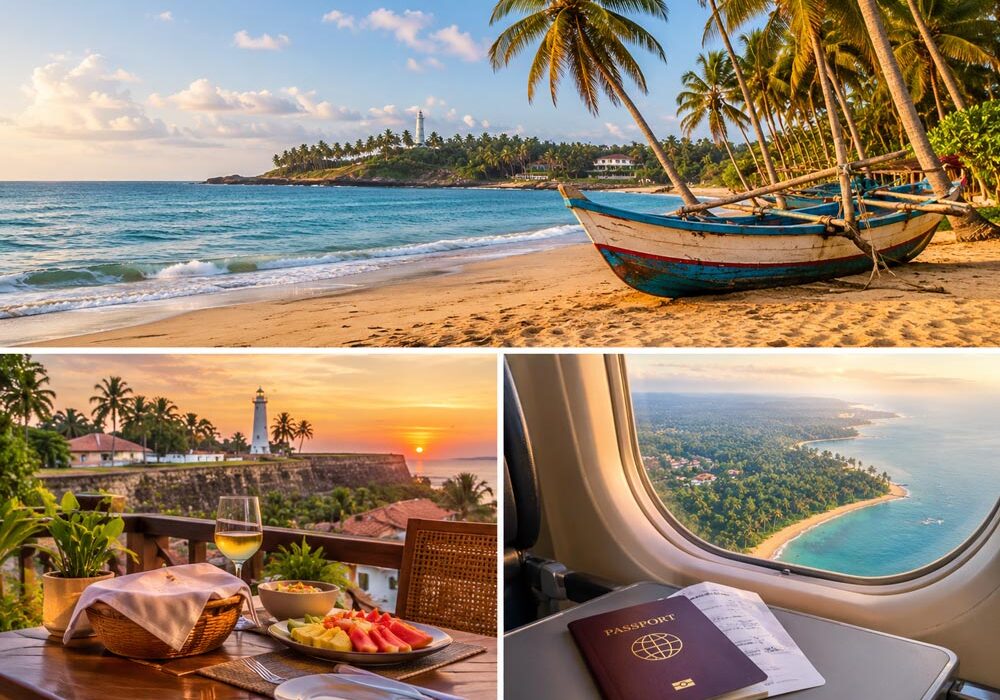
Sri Lanka from Israel 2026
Sri Lanka from Israel 2026: An 8 Step Pre Trip Checklist for Flights, ETA and Safety
Planning a trip to Sri Lanka from Israel in 2026 comes with a few extra questions. How do you get there? Do you need a visa? What does your own government advise? And how do you plan a trip that feels calm and well organised? These are fair questions, and the answers are easier to handle one step at a time.
This guide gives you an eight step checklist. It covers flights, entry rules, insurance, official advice, money, health, local manners and booking local help. Rules and schedules change, so treat this as a starting point and always confirm the latest details before you pay for anything.
Step 1: Plan Sri Lanka from Israel Around Your Dates and Coast
Start with timing. Sri Lanka has two monsoon seasons, so one coast is usually sunny while the other gets rain. The south and west coasts are best from about December to March. The east coast is best from about May to September. The hill country is pleasant in the early part of the year.
Once you know your holiday dates, pick the coast that fits. If you are still choosing, our guide to the best beaches in Sri Lanka gives a good overview of what each stretch is like.
Step 2: Check Flights and Routes
Flight options from Israel change from season to season. Arkia launched a direct service between Tel Aviv and Colombo in September 2025. It was reported to run once a week, with a flight time of about nine hours and fifteen minutes. I cannot confirm that it is operating for your dates in 2026, so check with the airline or a travel agent.
Other routes involve one stop, and the total time depends on the connection. Some routes avoid certain airspace, so a journey can be longer than a map suggests. Compare total travel time, not only the price. A slightly more expensive flight with a short connection often makes the whole trip easier.
Book flights that allow changes if you can. Plans move, and flexibility is worth a few extra shekels. Allow a rest day after you land, since the first day is often tired and slow.
Step 3: Sort Out Your Entry Permission
Sri Lanka introduced a free 30 day tourist ETA on 25 May 2026. It covers 40 countries, and Israel is on the list. The permit allows double entry within the 30 days. Stays beyond 30 days need an extension, which comes with fees.
You still need to apply online before you travel, even though the permit is free. Use the official portal, eta.gov.lk, and be careful with look alike websites that charge extra fees. Apply a few weeks before you fly, and keep a printed copy with your passport.
Check your passport too. Many countries require several months of validity beyond your stay, and Sri Lanka usually asks for at least six months. Confirm the exact rule on the official site, since requirements can change.
Step 4: Read Official Travel Advice
This step matters more than most. Israel’s National Security Council has issued travel warnings about Sri Lanka in the past. In October 2024, it raised the threat level for some tourist areas and advised extra caution elsewhere. I cannot say what the current advice is, and it may have changed since then.
Before you book, read the latest guidance from your own government. Read it again a week before you fly. Other governments publish advice too, and Australia’s Smartraveller service currently asks travellers to exercise a high degree of caution in Sri Lanka, mainly because of road safety, petty crime, weather hazards and possible demonstrations.
According to official Sri Lanka tourism sources, the country is working to keep visitors safe, and security is tight in the main tourism areas. Even so, official advice from your own authorities should come first. If anything changes, be ready to adjust your plan.
Step 5: Buy Proper Travel Insurance
Take out a good travel insurance policy before you pay for flights, if you can. Check that it covers medical care, emergency transport, cancellations and delays. Read the small print on activities such as surfing, diving and safaris, since some policies exclude them.
Keep your policy number and the emergency contact line in your phone and on paper. Know what you need to do first if something goes wrong, such as who to call and what to keep for a claim. It sounds boring, but it is the best peace of mind you can buy.
Step 6: Prepare Money, Phone and Health
Sri Lanka uses the rupee. Cards work in many hotels and restaurants, but you will want some cash for small shops, markets and tips. ATMs are common in towns, though they can run out of cash or charge fees. Tell your bank you are travelling.
For your phone, a local SIM or eSIM is cheap and easy to set up. It helps with maps, ride apps and staying in touch with family.
On health, drink bottled or filtered water only. Use insect repellent, since dengue is present in Sri Lanka. Bring sunscreen, a basic first aid kit and any regular medication in its original packaging. Ask your doctor or a travel clinic about vaccinations.
Step 7: Be a Thoughtful Guest
Sri Lanka is a warm and welcoming country, and good manners go a long way. Dress modestly at temples and religious sites, with shoulders and knees covered, and take your shoes off before you enter. Keep your voice low and ask before you photograph people.
Be aware that some local communities have shown mixed feelings about crowded tourist areas in recent years, including around busy beach towns. A little sensitivity helps everyone. Be polite, respect local rules and permits, keep noise down in residential areas, and follow any guidance from your hotel or guide. Visiting quieter places, such as the hill country or the ancient cities, is also a good way to see more of the island.
Following your own government’s advice on how to travel safely is part of being a good guest too. Keep a calm, low key approach, and you will find people are friendly and helpful.
Step 8: Book Local Help You Can Trust
The last step is often the most helpful. A private driver and a local planner can take most of the stress out of a trip. Roads are slow and busy, and a professional driver knows the routes, the traffic and the weather. A good planner also handles hotel bookings, backup plans and changes.
I used SLTO planning services like this for my own family trip, and having one person to call when plans changed made everything calmer. Our travellers are really happy with that kind of support. One couple told us afterward, whenever something changed, our guide already had a plan, and we never felt on our own.
Ask any planner a few questions. Who is the driver? How are hotels chosen? What happens if a road is closed or a flight is delayed? Clear, calm answers are a good sign. If you want to see what a trip costs, our Sri Lanka trip cost guide for 2026 shows a realistic budget.
Arrival Day Tips
Arrival day sets the tone for the whole trip. Have your ETA approval, passport and hotel address ready at immigration. Change a small amount of money at the airport, or use an ATM in the arrivals hall. Arrange a pickup in advance, so you meet your driver at the exit and skip the taxi queue.
Most flights land at Colombo’s Bandaranaike International Airport. Many travellers spend the first night in nearby Negombo, which is close to the airport and avoids a long drive while you are tired. Eat something light, drink plenty of water and sleep early. The next morning, your trip starts properly.
Staying Connected and Organised
Keep digital and paper copies of your key documents. That means your passport, ETA approval, insurance policy, flight details and hotel bookings. Store them in your email and on your phone, and print one set for your bag. If a phone dies or a bag goes missing, you will be glad you did.
Share your plan with a family member at home, including hotel names and your driver’s number. Message them each day, even with a single line. It is a simple habit that gives everyone peace of mind.
A Simple Planning Timeline
Good planning is easier when you spread it out. Three to four months before you fly, choose your dates, check flights and talk to a planner. Two to three months out, book flights and your main hotels, and read the latest official travel advice.
About one month before, apply for your ETA and buy insurance if you have not already. Two weeks before, confirm your driver, your pickup and your first night. A few days before, check the weather, download offline maps and share your plan with family. Each step is small, and together they make arrival day feel calm.
What to Expect From Costs
Costs depend on your style, but Sri Lanka is good value compared with many holiday destinations. The biggest items are flights, hotels and a private driver. Food is generally affordable, especially at local restaurants. Entry fees for sites and safaris add up, so keep a small budget for them.
Prices rise in the busiest weeks, such as late December. They are lower in quieter months. A written quote that lists what is included helps you compare options fairly, and avoids surprises later.
Your Quick Checklist
Here is the short version of all eight steps. Choose your dates and coast. Check flights and routes. Apply for your free ETA on the official site. Read official travel advice. Buy insurance. Sort money, phone and health. Be a thoughtful guest. Book local help.
Tick them off one by one, and the trip stops feeling like a big unknown. A little planning now means an easier, happier holiday later.
Frequently Asked Questions
Do Israeli citizens need a visa for Sri Lanka in 2026?
Israel is on the list of 40 countries for the free 30 day tourist ETA, which allows double entry. You still need to apply online before you travel, and rules can change.
Is there a direct flight from Israel to Sri Lanka?
Arkia launched a direct Tel Aviv to Colombo service in September 2025, reported as once a week. Check whether it runs on your dates, since schedules change.
Is Sri Lanka safe for Israeli travellers?
Most visitors have a smooth trip, but you should read the latest advice from your own government before booking, and again before you fly. Advice has changed in the past.
How long can I stay with the free ETA?
The free ETA is valid for 30 days with double entry. Longer stays need an extension with fees.
Should I use a private driver?
For most travellers, yes. A private driver handles busy roads, saves time and makes it easier to change plans when needed.
